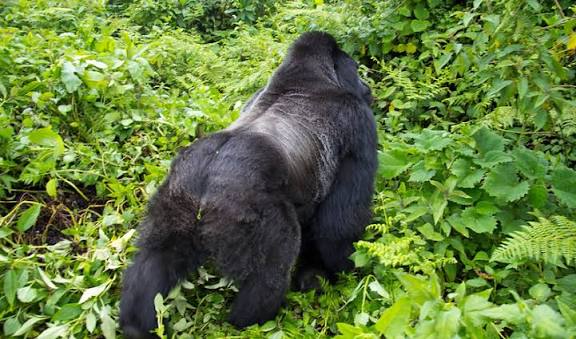
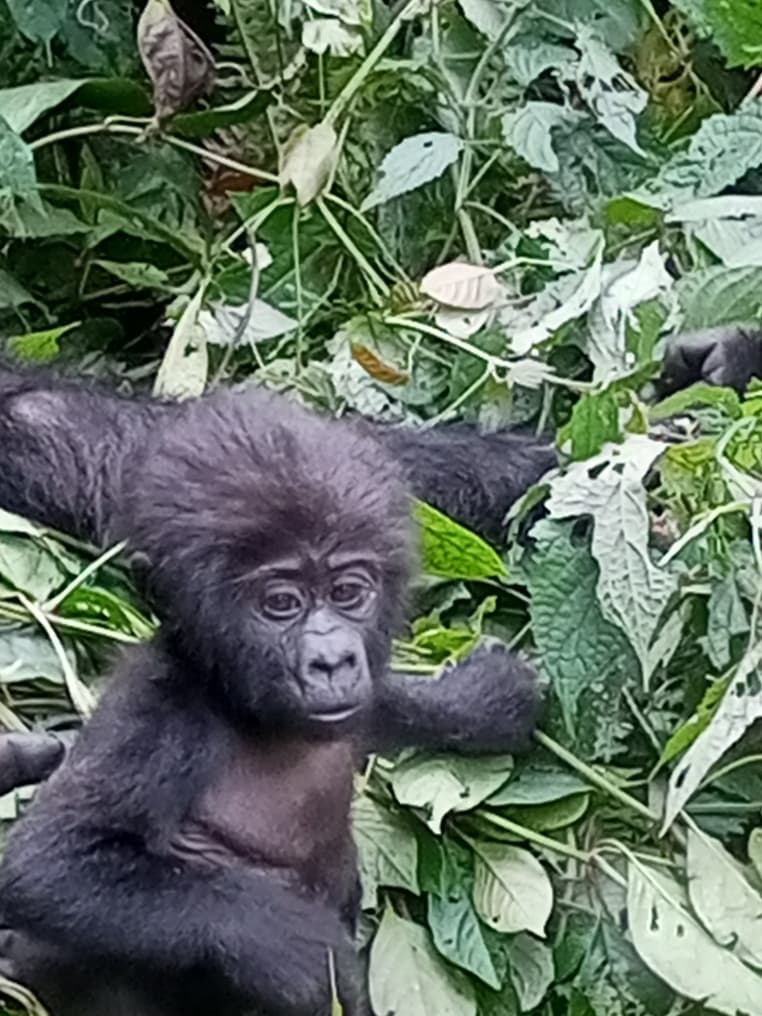
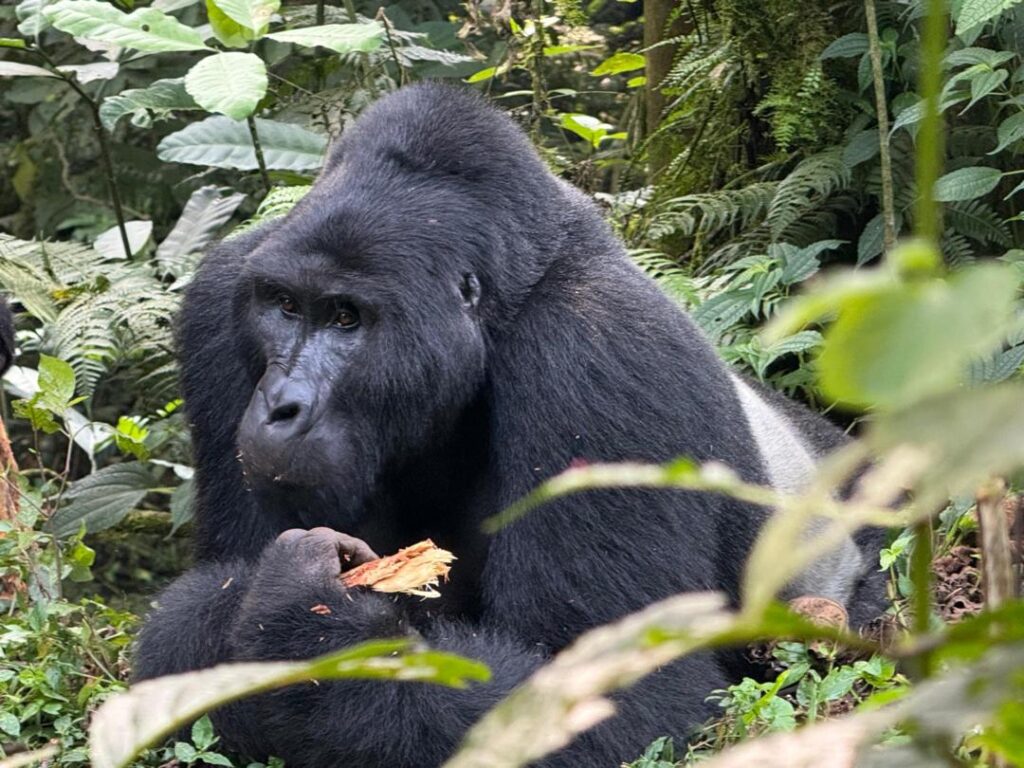
If standard gorilla trekking gives you one hour with a mountain gorilla family, the Gorilla Habituation Experience gives you up to four hours.
Offered exclusively in the southern sector of Bwindi Impenetrable National Park, this experience allows visitors to join researchers and rangers as they work with a semi-habituated gorilla family, groups that are still getting used to human presence.
But with a higher permit cost and a more demanding trek, many travelers ask: Is it really worth it? Let us break it down.
What Is Gorilla Habituation?
Gorilla habituation is the process of gradually introducing wild mountain gorillas to human observers in a controlled and respectful way.
Before a gorilla family can be opened for regular trekking, it undergoes:
- A 2–3 year habituation process
- Daily monitoring by researchers and trackers
- Controlled exposure to humans
As a visitor, you join this process for a day accompanied by:
- Uganda Wildlife Authority rangers
- Researchers
- Trackers
Unlike regular trekking (maximum 8 visitors), habituation groups allow only 4 visitors per day, making it far more exclusive.
How Is It Different from Regular Gorilla Trekking?
| Regular Trekking | Gorilla Habituation |
| 1 hour with gorillas | Up to 4 hours with gorillas |
| Fully habituated family | Semi-habituated family |
| Max 8 visitors | Max 4 visitors |
| Easier, shorter interaction | Longer, more immersive experience |
| Lower permit cost | Higher permit cost |
The biggest difference? Time and intimacy.
Four hours allows you to:
- Observe complex behaviors
- Watch feeding patterns
- See social interactions unfold
- Photograph different angles and movements
It feels less rushed and more like being part of a research team.
What to Expect on the Day
1. Earlier & Longer Trek
Habituation treks often begin very early and can last longer than standard treks. Since the families are less accustomed to humans, they may move more frequently.
Expect:
- Dense jungle terrain
- Steeper hikes
- A physically demanding day
This experience is best suited for travelers with good fitness levels.
2. More Natural Behavior
Because the gorillas are not fully habituated:
- They may be more cautious
- They may vocalize more
- The silverback may display protective behavior
This doesn’t mean it’s unsafe but it does mean the interaction feels more raw and authentic.
For wildlife enthusiasts and photographers, this is a major advantage.
3. Deep Insight from Researchers
One of the most valuable aspects is access to knowledge.
Researchers and rangers explain:
- Individual gorilla personalities
- Family hierarchy
- Feeding habits
- Conservation challenges
You are not just observing but you are learning in real time.
The Cost: Is It Justified?
The gorilla habituation permit is significantly more expensive than a standard trekking permit.
However, the price reflects:
- Longer time with the gorillas
- Fewer visitors per group
- A more exclusive experience
- Direct support for conservation
For many travelers, this becomes the highlight of their entire East African safari.
Who Is It Best For?
Gorilla habituation is ideal for:
- Wildlife photographers
- Documentary filmmakers
- Conservation enthusiasts
- Repeat visitors who’ve done standard trekking
- Travelers wanting a deeper, less commercial experience
If you’re short on time or prefer a less strenuous hike, regular trekking may be more suitable.
Is It Safe?
Yes.
The experience is carefully managed by the Uganda Wildlife Authority. Rangers are highly trained, and strict rules are followed to ensure:
- Visitor safety
- Gorilla protection
- Minimal environmental impact
Even during displays or vocalizations, rangers guide the group calmly and professionally.
So… Is It Worth It?
If you want:
- More time
- More depth
- More exclusivity
- More authentic wildlife behavior
Then yes, it is absolutely worth it.
It’s not just a longer gorilla visit.
It’s a deeper connection.
For travelers seeking something beyond the typical safari experience, the Gorilla Habituation Experience with Kimed Eco Tours in Bwindi is one of Africa’s most extraordinary wildlife encounters. Reach out to us today so we can get you started!