
African Culture with Kimed Eco Tours
Africa is a continent rich in traditions, languages, and heritage. At Kimed Eco Tours, we believe that exploring African culture is not just about sightseeing it’s about connecting with people, stories, and ways of life that have been passed down for generations. You encounter the local communities and learn their customs.
Secondly , you Participate in traditional ceremonies that celebrate life, harvest, and unity.
You also share stories around evening fires, where oral traditions keep history alive.
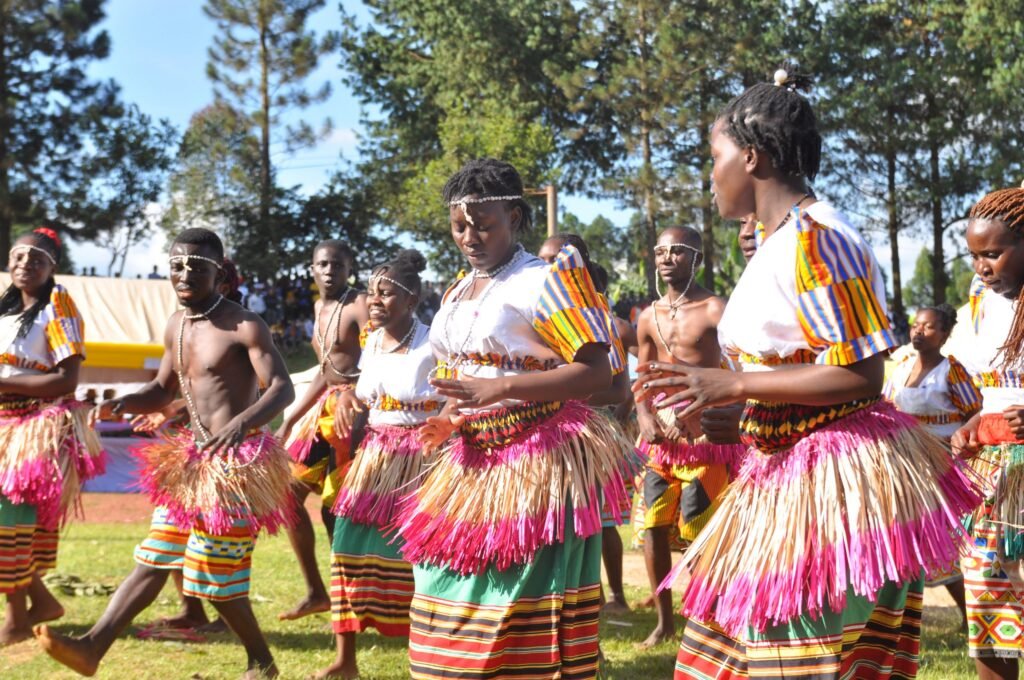
Music and Dance
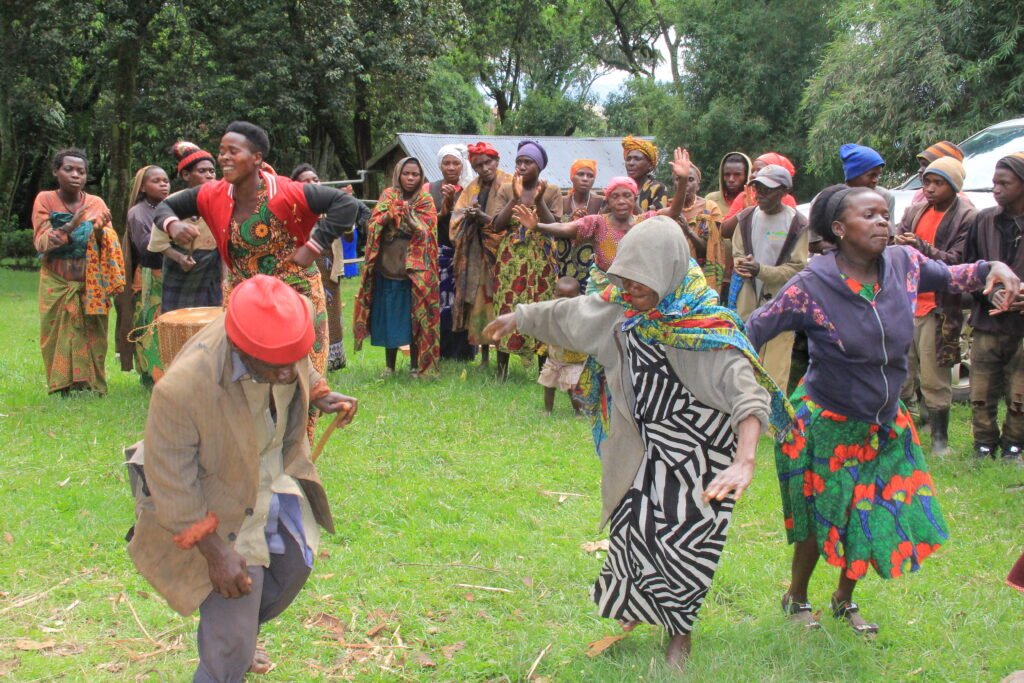
Rhythms of the African drum and vibrant dances are central to African celebrations.
Guests can experience traditional performances from local communities, where music is both entertainment and storytelling.
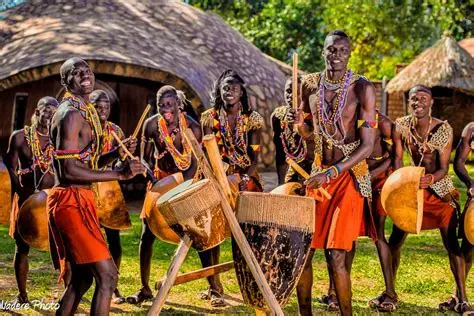
Dance often symbolizes unity, joy, and respect for ancestors. Drums such as the djembe, talking drum, and ngoma are central, often played in polyrhythms that symbolize unity and dialogue.
Movements often imitate daily work, nature, or spiritual gestures, turning ordinary actions into art.
Many dances blur the line between sacred ritual and social enjoyment, such as the Yoruba Gelede festival, where masked dancers honor elders and entertain the community.
Food and Cuisine
African meals are a blend of local ingredients, spices, and communal dining.
Guests enjoy dishes like matoke, ugali, and grilled meats, often prepared with organic produce.
Sharing food is a cultural expression of hospitality and friendship.
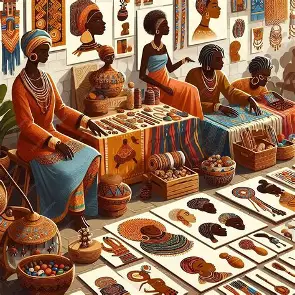
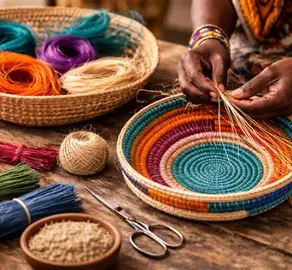
African arts and crafts offer a vibrant, hands-on way to explore the continent’s rich culture, history, and traditions through creative projects.
African crafts are deeply rooted in cultural heritage and often carry symbolic meanings. Common traditional crafts include.
Basketry. Woven baskets with intricate patterns, historically used for storage and trade, reflecting regional styles and storytelling through design
Beadwork and Jewelry: Beads and metalwork are used to create necklaces, bracelets, and adornments that convey social status, identity, and cultural symbolism.
Languages and Storytelling
Africa is home to thousands of languages, each carrying unique wisdom.
Storytelling in African Societies
Storytelling in Africa is a rich tradition that has been passed down through generations, serving as a vital means of communication, education, and cultural preservation. It is deeply ingrained in African societies, where the spoken word holds more significance than written records.
Oral storytelling traditions preserve history, myths, and moral lessons.
Guests can listen to folktales around evening fires, connecting deeply with local heritage.
Rituals and Traditions
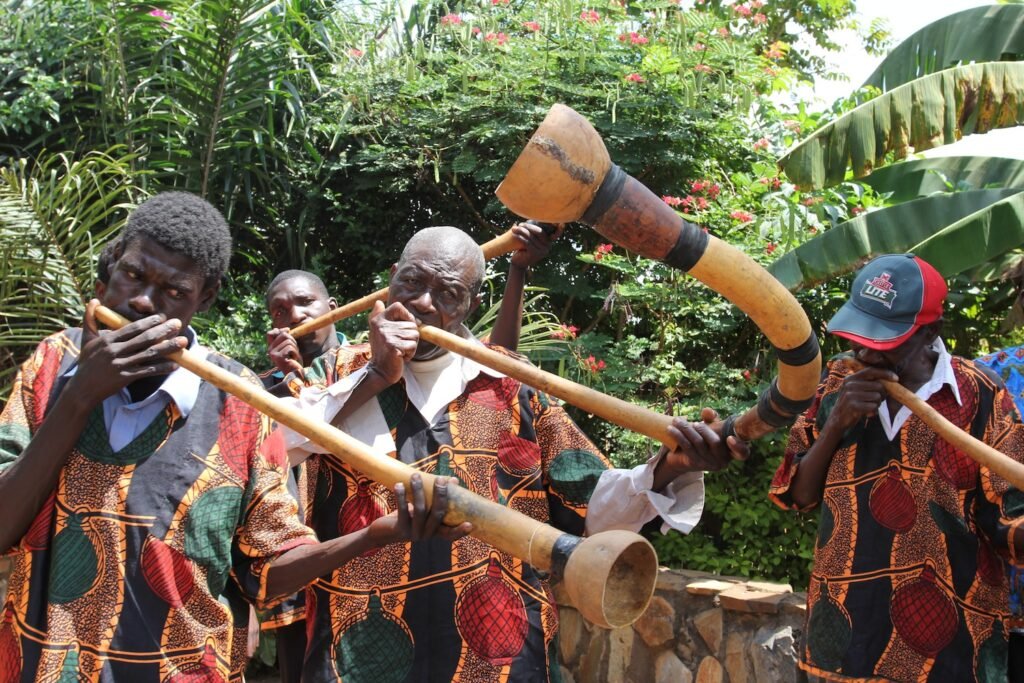
Ceremonies mark life stages such as birth, marriage, and harvest.
Rituals often blend spirituality with community bonding.
Tourists gain insight into values of respect, resilience, and harmony with nature. Many communities find that tourists are increasingly participating in their festive events and while there may be positive aspects to tourist involvement. Its fun mixed with experience .
Dress and Identity
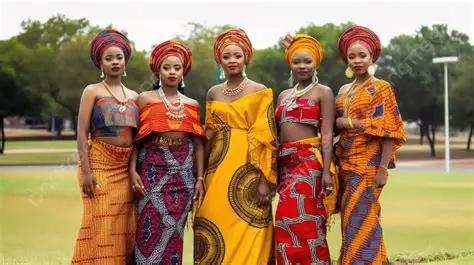
Colorful attire like kitenge, dashiki, and bark cloth symbolize cultural pride.
Clothing patterns often represent family, tribe, or social status.
Guests may participate in cultural dress experiences during tours.
Sustainable Tourism
At Kimed Eco Tours, we emphasize responsible travel. By engaging with African culture respectfully, guests help preserve traditions while supporting local communities. Sustainability ensures that future generations can continue to celebrate and share their heritage.
A taste of Africa
Why to choose Kimed Eco Tours ?
We are unique from the rest of tour operators because our trips are more than just traveling . Its experiencing and living your dream with us.